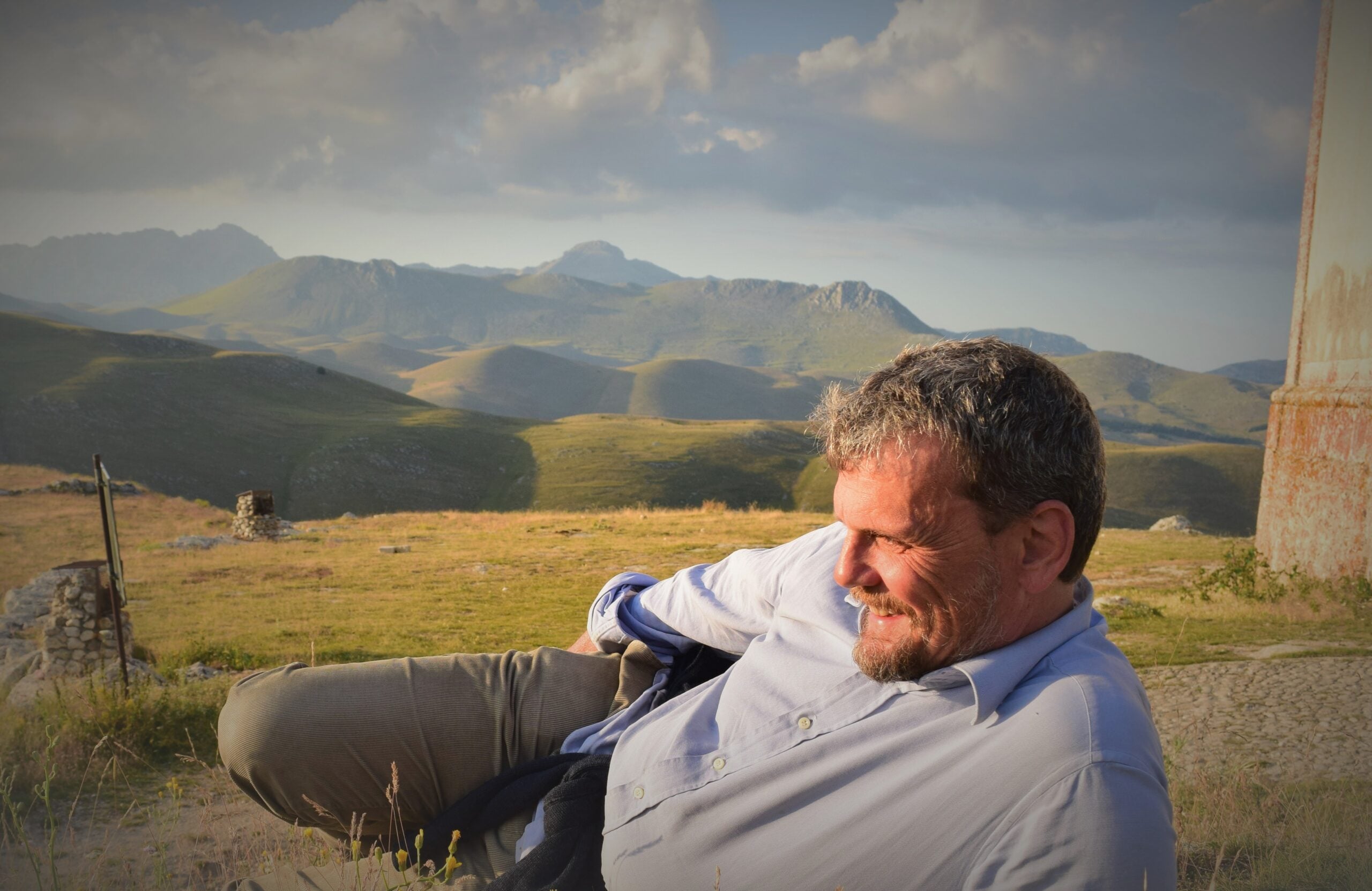
Daniele Kihlgren, creator and founder of Sextantio, passed away on 7 October 2026, at the age of 60, following complications from acute bilateral pneumonia. His loved ones were at his side until the end.
Through his research and work, he helped change the way we look at a part of Italy that has often remained on the margins of major development circuits: the villages, vernacular architecture, landscapes, and ways of life that make up what he defined as “minor historical heritage.”
The Sextantio project was born from this intuition.
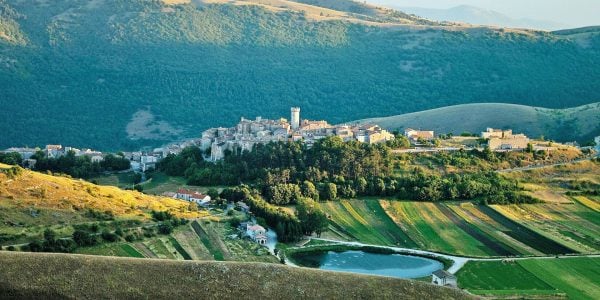
In Santo Stefano di Sessanio, Abruzzo, Daniele Kihlgren chose to engage with a medieval village that progressive depopulation had, paradoxically, helped preserve in its integrity. His idea was not to reconstruct an idealized past, nor to transform the town for tourism, but to give a contemporary function to what had survived.
From this emerged one of the guiding principles of his entire body of work: hospitality must adapt to the place, rather than the place being transformed to accommodate hospitality.
For Daniele, respecting the architecture, materials, proportions, landscape, and traces of daily life was not a purely aesthetic choice. It was the necessary condition to restore dignity and a future to places that had long been considered poor, marginal, or devoid of economic interest.
He believed that non-construction could also become the foundation of a different development model: protecting what exists, instead of replacing it, can generate new economies and help keep local communities alive. The hotel business was therefore a concrete tool to make this process possible over time.
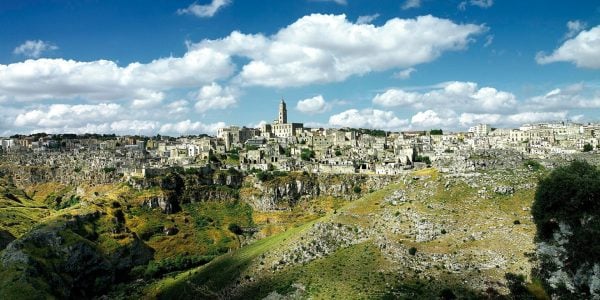
This same approach found a second expression in Matera with Le Grotte della Civita. Here, Daniele Kihlgren engaged with a completely different heritage—that of the Sassi and cave dwellings—where the relationship between rock, architecture, landscape, and human history is inseparable. In this case, too, he chose to introduce a contemporary function without erasing the site’s nature and history.
Over time, his research extended to intangible culture: traditions, crafts, local knowledge, cuisine, and the memory of communities. This focus gave rise, among other initiatives, to the work on Abruzzese culinary culture conducted alongside the Museo delle Genti d’Abruzzo, recovering over seventy traditional recipes, some of which were no longer in use.
A Commitment Beyond Italy’s Borders
Daniele Kihlgren’s research did not stop in Italy.
Since 2008, through the Sextantio Foundation, he supported a project in Rwanda aimed at individuals and families in conditions of particular economic vulnerability, helping to guarantee their access to basic healthcare coverage.
It was a commitment different in context and purpose, yet consistent with a conviction that accompanied his work: private initiative can take responsibility toward society and the most fragile communities. In the Foundation’s project, this meant allowing otherwise excluded people to access essential care.
As a testament to his wish for this commitment to continue beyond his lifetime, Daniele Kihlgren expressly stipulated that the profits of Sextantio Albergo Diffuso in Santo Stefano di Sessanio and Sextantio Le Grotte della Civita in Matera be allocated, through the Sextantio Foundation, to supporting health insurance programmes for the most vulnerable communities in Rwanda.
What Daniele Leaves Behind
Daniele Kihlgren always viewed the transformation of places into simple tourist products with distrust. For him, authenticity was not a backdrop to offer visitors, but the consequence of continuity between a place, its history, and the lives of the people who inhabit it.
His work showed that development and preservation do not necessarily have to be opposed, and that an economic activity can help keep alive what might otherwise risk disappearing.
Sextantio will continue to safeguard this approach in the places, architecture, landscapes, and traditions that Daniele chose to bring back to center stage. It will also continue to pursue that broader idea that ran through his entire experience: doing business without separating it from responsibility toward culture, the territory, and people.
The most authentic way to remember Daniele Kihlgren will be to continue protecting what he chose to save with his vision, research, and work, and to give a future to what, without that choice, would risk having none.
With gratitude and love, The Sextantio Family.
In Memory of Daniele Kihlgren
Messages of affection, esteem and gratitude have reached us from across the world, honouring Daniele, his vision and his life’s work. We have gathered them here to preserve their memory.